
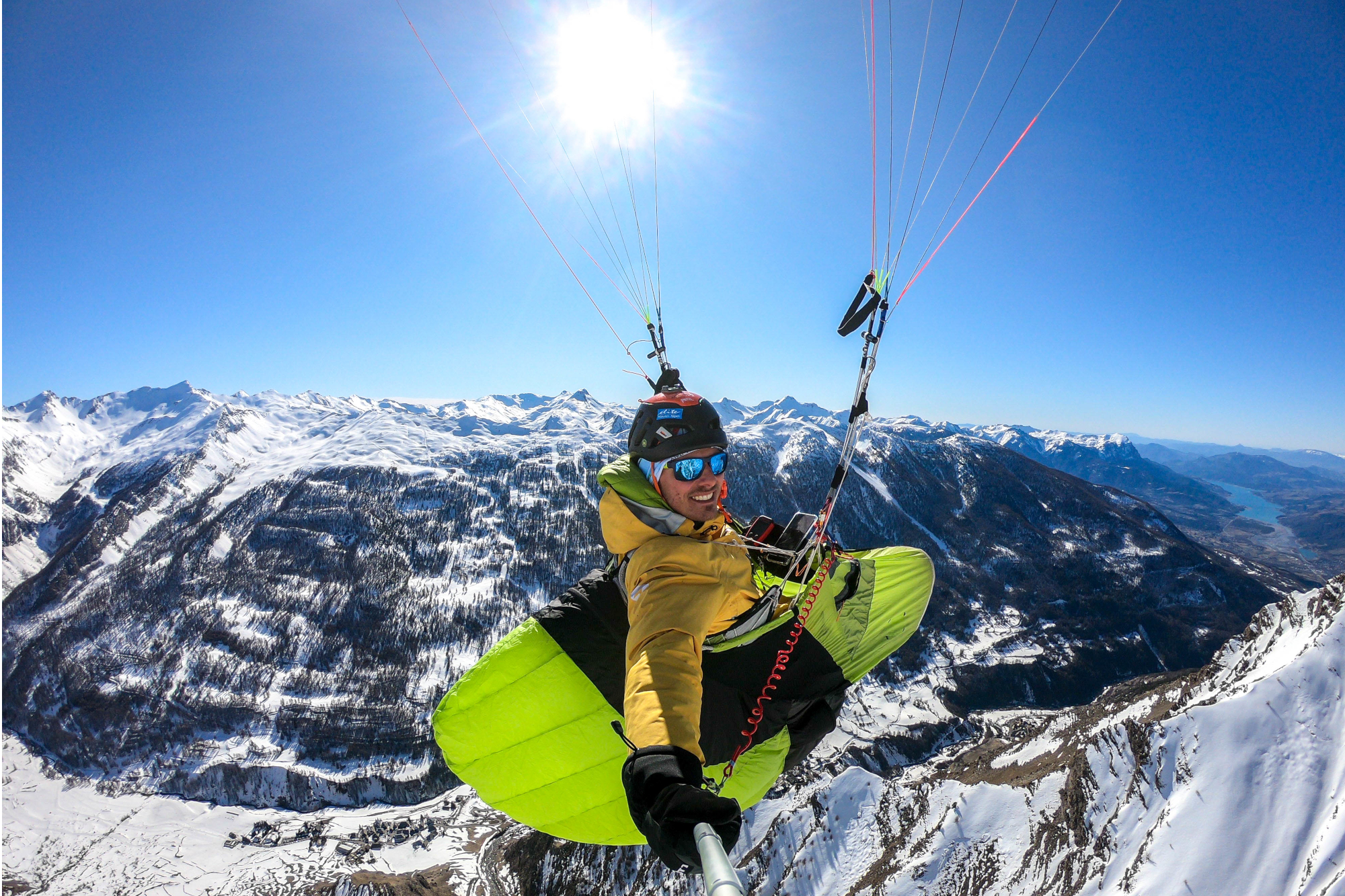
Thoughts on light equipment…
The current trend in pilot demand is towards a constant reduction in the weight of equipment.
It is certainly much more pleasant to have a small, light bag on your back than a menhir!
A few years ago, the average weight of a paragliding bag was much closer to 20kg than the 10kg that is easily achievable today…
Materials and techniques have evolved significantly in recent years, and today we have ultra-light products that we would have struggled to imagine just 10-15 years ago. (single-surface wings, string harnesses, XAlps cocoon harnesses, rescue parachutes, connectors, clothing, etc…).
Light equipment therefore seems to be the holy grail that everyone is looking for today. But be careful, every medal has its reverse side, and light equipment is no exception. Lightening equipment has its advantages, but also has constraints that should not be overlooked, or at least be aware of and accept them.
Firstly: durability
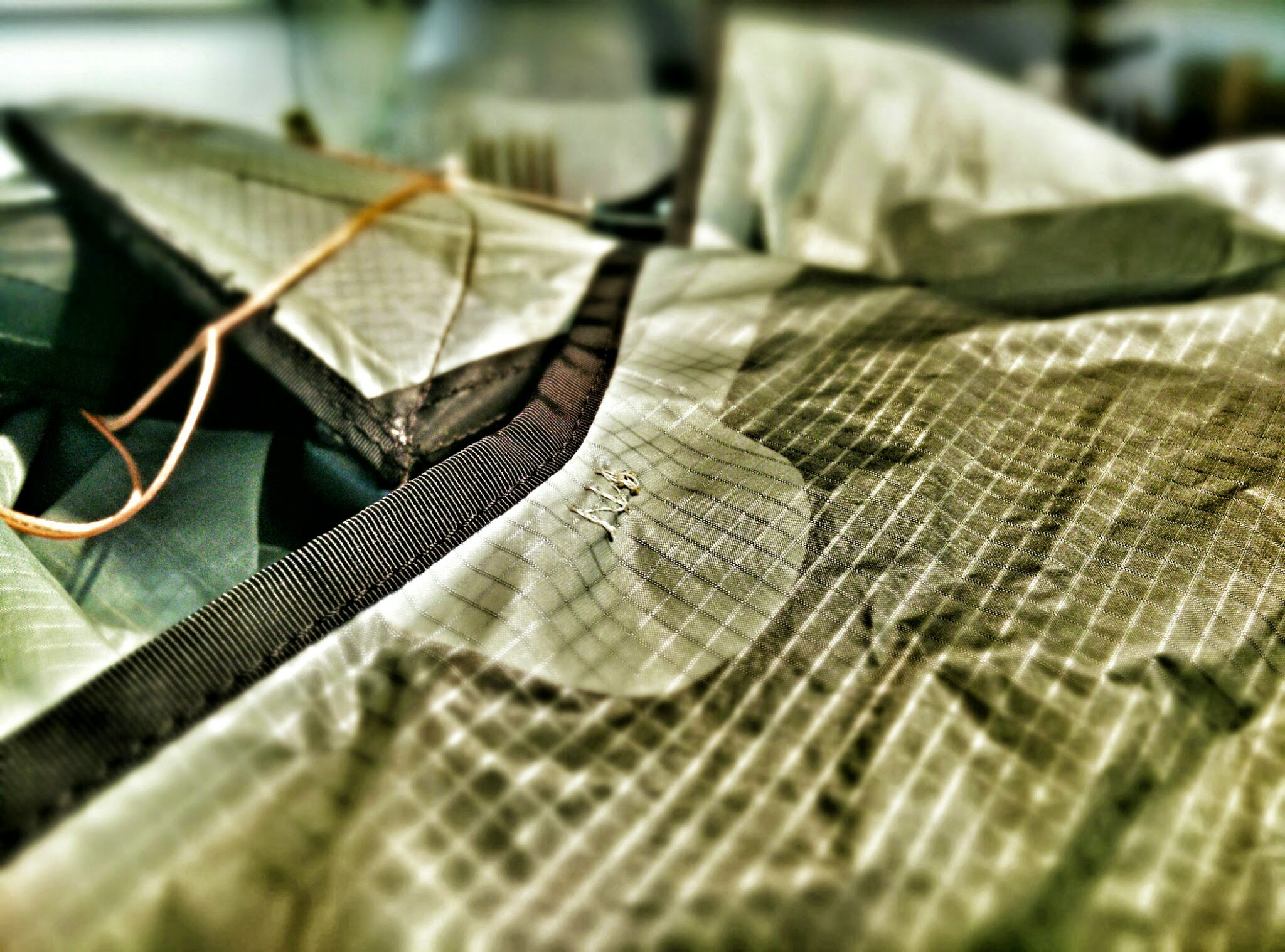
Contrary to what many pilots think or hope, it is totally impossible to have a light harness as strong as a heavier harness! Despite the very high technicality of light materials and their evolution, a thin fabric will remain more fragile than a thick fabric.
Light equipment therefore requires special care to give it a satisfactory lifespan. This includes abrasions, impacts, UV exposure, etc…
Point N°2: the price!
Indeed, the price is unfortunately not proportional to the weight!
All these new light materials require a lot of research, and often have more expensive manufacturing processes than standard materials. Associated with the "fragility" parameter, you must be aware of the care to be taken with your equipment.
In 3, Precision
One of the biggest compromises to make with light equipment compared to a standard seat plate harness is certainly the precision of piloting. Indeed, ultra-light harnesses are very often built on a hammock or split-leg geometry. These flexible geometries do not allow to obtain an equivalent precision to a seat plate concerning the turning in harness.
Moreover, these "flexible" geometries lack rigidity, and the slightest movements of the pilot on the harness are immediately reflected on the wing. A blatant example: the use of the accelerator. When using it, the movements of the leg (taking the bar and pushing) generates a change of balance of the harness which will certainly cause a relative displacement of the anchor points one compared to the other, and consequently a turning of the wing. This will affect performance when trying to let the wing do its thing to find the best air mass. Each parasitic movement will counter the wing. On a competition harness, it is essential to have a certain rigidity to prevent all these parasitic movements (which affect performance) especially during acceleration phases.
And finally a false idea: stability / geometry
A false idea that usually circulates is the instability of light harnesses. Light is often associated with minimalist mountain harnesses where the 2 thighs are completely independent, and have a large range of relative movements between them. But it is perfectly possible to build a light AND stable harness, by playing on the design geometry.
Namely that the so-called "hammock" harnesses are generally much more sensitive to roll than harnesses with a "split-leg" construction. This comes precisely from the differences in geometry of these two designs.
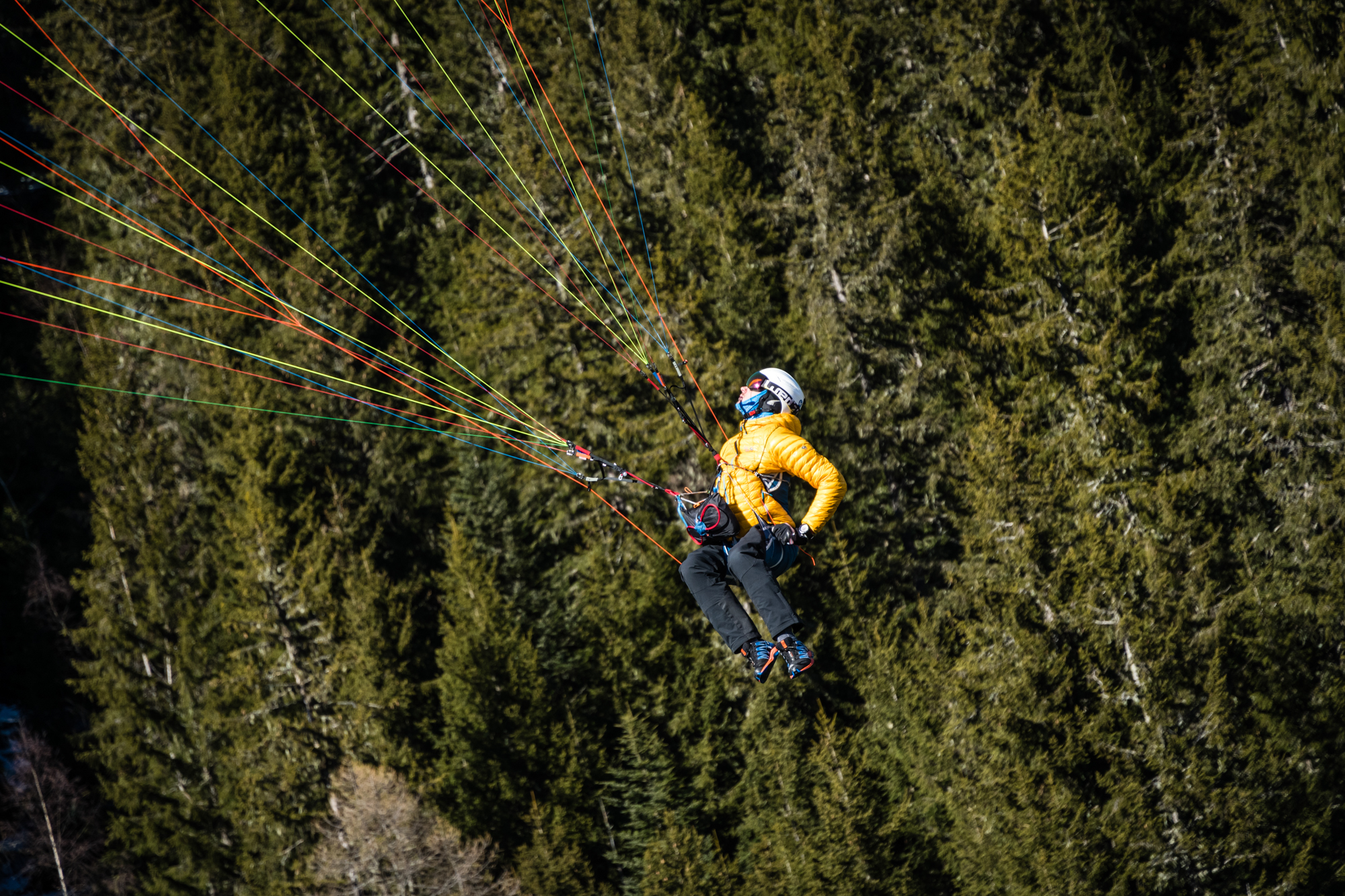
Light equipment therefore has its advantages, but also certain constraints that must be taken into account when making your choice.
We invite you to find the interview of Max JEANPIERRE on the podcast (from 01:12:24) www.cloudbasemayhem.com of our ambassador Gavin Mc CLURG (in English).